Why Cannabis Tolerance Can Change the Experience Without the Product Changing

A familiar cannabis product may not always produce a familiar experience. Daniel Fung of Watertown, CT, provides a useful context for exploring one reason such a change can happen: an individual’s tolerance can change even when the product itself remains the same.

Consumers sometimes assume that a consistent product should create a consistent experience. However, cannabis effects depend on more than what is inside the package. Frequency of use, individual sensitivity, consumption patterns, and changes in tolerance can all influence how a person responds.

Understanding tolerance helps separate two concepts that can easily become confused: changes in the product and changes in the person using it.

What Does Cannabis Tolerance Mean?

Tolerance generally describes a reduced response to a substance after repeated exposure.

In practical terms, someone who uses cannabis regularly may notice that an amount that once produced noticeable effects eventually feels different or less pronounced.

That does not necessarily mean the product became weaker.

If the product, serving size, and method of consumption remain consistent, the changing experience may instead reflect changes in the individual’s response.

This distinction matters because subjective experience cannot be used as a precise measurement of product potency.

How something feels and what laboratory testing reports are two different forms of information.

Familiarity Can Create Expectations

People naturally use past experiences to predict future ones.

If someone has consumed the same cannabis product several times, it is understandable to expect the next experience to resemble the previous ones.

Tolerance complicates that expectation.

A person may gradually become accustomed to a particular pattern of consumption. Over time, the same amount might not feel as noticeable as it once did.

The immediate assumption may be that something about the product has changed. While product differences can occur, individual tolerance is another factor worth considering.

A familiar label does not guarantee an identical subjective response every time.

Frequency of Use Can Matter

Tolerance is closely connected to patterns of exposure.

Someone who consumes cannabis frequently may respond differently from someone who uses it occasionally. This helps explain why comparisons between individuals can be unreliable.

Two people might consume the same amount of the same product and describe substantially different experiences.

Neither person necessarily has to be mistaken.

Their previous exposure and individual sensitivity may differ, which can affect how the experience is perceived.

This is why another person’s response should not be treated as a precise guide for predicting one’s own experience.

Tolerance Is Different From Potency

Potency describes characteristics of the product. Tolerance describes characteristics of the individual’s response.

Keeping those ideas separate can prevent confusion.

Suppose a consumer uses a product with the same labeled cannabinoid concentration over an extended period. If the effects begin to feel less noticeable, that experience alone does not establish that the product has lost potency.

Likewise, feeling stronger effects does not independently prove that the product became more potent.

Product information provides one part of the picture. Individual response provides another.

Both may be relevant, but they should not be treated as interchangeable measurements.

Consumption Patterns Can Change

People do not necessarily maintain identical consumption habits indefinitely.

Frequency can increase or decrease. The amount consumed can change. Someone may stop using cannabis for a period and later return to it.

These changes can influence expectations about tolerance.

An experience remembered from a period of frequent consumption may not accurately predict what happens after an extended period of reduced or no use.

This is one reason relying entirely on past familiarity can be misleading.

Someone may recognize the product, understand its labeling, and remember using it previously while overlooking the fact that personal circumstances have changed.

The Same Person Can Respond Differently Over Time

Tolerance also illustrates why cannabis experiences should not be viewed as fixed characteristics of an individual.

A person’s response today does not guarantee an identical response months or years later.

Patterns of use evolve, and tolerance can change along with them.

This creates an important distinction between saying, “I know exactly how this will affect me,” and recognizing that previous experience merely provides context.

Experience can be useful, but it does not remove uncertainty.

Responsible decision-making should leave room for the possibility that the individual’s response may have changed.

Comparing Experiences Between People Has Limits

Cannabis conversations often involve comparisons.

One person may describe a product as mild while another describes the same product as intense. It can be tempting to interpret these differences as contradictions.

Tolerance helps explain why both descriptions can coexist.

Subjective terms such as strong or mild describe personal experiences. They are not standardized measurements.

When comparing experiences, several variables may differ:

  • Frequency of cannabis use.
  • Individual tolerance.
  • Amount consumed.
  • Method of consumption.
  • Previous exposure to similar products.
  • Changes in consumption patterns over time.

Because these variables differ among people, subjective descriptions should be interpreted cautiously.

Increasing Consumption Is Not a Simple Solution

When familiar effects become less noticeable, someone might assume the obvious response is simply to consume more.

That approach deserves caution.

Increasing the amount changes the exposure, and individual responses are not perfectly predictable. A person may also be making decisions based on an assumption about tolerance without considering other relevant factors.

More importantly, constantly adjusting consumption to pursue a particular subjective effect can make it harder to evaluate changing patterns of use.

Awareness is therefore more useful than automatically responding to reduced effects by increasing quantity.

Changes in Tolerance Can Make Old Assumptions Less Reliable

People often build routines around familiar experiences.

They may remember how a particular amount affected them and use that memory when making future decisions.

Tolerance can make those assumptions less reliable in either direction.

Someone using cannabis more frequently may notice reduced effects. Someone returning after a significant change in consumption patterns should not automatically assume that a previously familiar amount will feel exactly as remembered.

Recognizing this possibility encourages a more cautious interpretation of past experience.

Familiarity with a product is useful information, but familiarity should not be confused with certainty.

Product Labels and Personal Experience Serve Different Purposes

Standardized product information and subjective experience answer different questions.

A label can provide information about cannabinoid content and other product characteristics. Personal experience describes how an individual responded under particular circumstances.

Neither should be expected to replace the other.

A person cannot determine exact potency simply by describing how strong a product felt. Likewise, potency information alone cannot perfectly predict an individual’s subjective response.

Understanding this distinction creates a more realistic way to interpret both forms of information.

Final Thoughts

Cannabis products do not exist independently from the people using them. Even when a product remains unchanged, an individual’s experience can evolve.

Tolerance is one reason.

Repeated exposure, changes in frequency, periods of reduced use, individual sensitivity, and consumption patterns can influence how familiar products are perceived over time.

This means a changing experience should not automatically be interpreted as evidence that the product itself changed.

It also means previous experience should be treated as useful context rather than a guarantee.

Understanding the difference between product potency and personal tolerance can help consumers interpret cannabis experiences more carefully. The product may remain familiar while the person responding to it has changed, and recognizing that distinction is an important part of making informed and responsible decisions.
Why Cannabis Edibles Require a Different Approach to Timing Than Inhaled Products

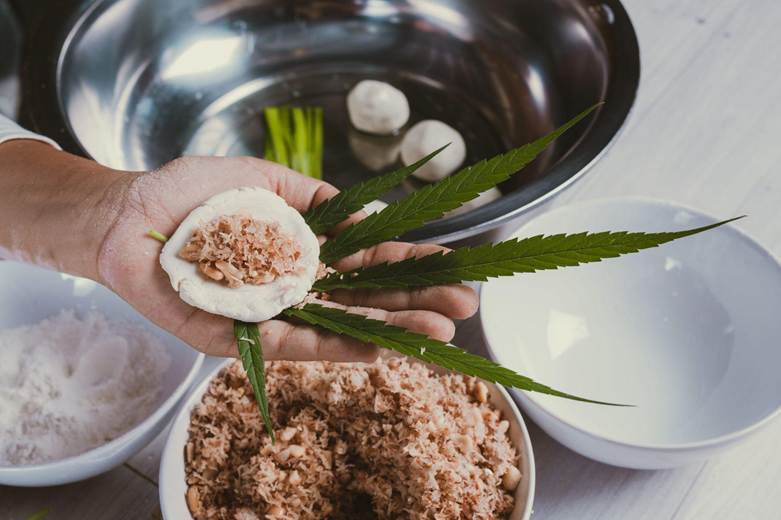
Cannabis products do not all follow the same timeline after consumption. Daniel Fung of Watertown, CT, provides a useful context for understanding why edibles and inhaled products should not be approached as though their effects begin, develop, and fade at identical rates.

For consumers, this distinction matters because expectations can influence decisions. Someone accustomed to the relatively rapid onset associated with inhalation may incorrectly apply the same expectations to an edible. Understanding that different consumption methods involve different timelines can support more informed and responsible choices.

Consumption Method Changes How Cannabis Enters the Body

One of the most significant differences between inhaled cannabis and edibles is how cannabinoids enter the body.

With inhalation, cannabinoids are absorbed through the lungs and enter the bloodstream relatively quickly. As a result, effects can generally become noticeable sooner.

Edibles follow another path.

After an edible is consumed, it must pass through the digestive system. THC is then processed through the liver before its effects are fully experienced. This additional process contributes to the delayed onset commonly associated with edible cannabis.

This difference is important because the product may still have an effect, even if nothing is immediately noticeable.

Faster Feedback Can Shape Expectations

People naturally learn from previous experiences.

Someone familiar with inhaled cannabis may become accustomed to receiving relatively quick feedback about how a particular amount affects them. That feedback can influence decisions about whether to consume more.

Edibles do not necessarily provide that same immediate information.

When someone carries expectations from inhaled cannabis into an edible experience, the delay can create uncertainty. A person might begin wondering whether the amount was insufficient before the initial serving has had adequate time to take effect.

Understanding the expected delay beforehand can help prevent that assumption.

Delayed Effects Can Encourage Impatience

The gap between consumption and noticeable effects is one of the most important reasons timing matters with edibles.

A consumer takes an edible and waits. When little appears to happen initially, taking more may seem like a reasonable response.

The difficulty is that the first amount may still be developing.

Additional consumption during that waiting period can mean that multiple servings eventually take effect within an overlapping period. The resulting experience may then be considerably different from what the consumer originally intended.

This is why immediate sensation is not always a reliable guide for making another consumption decision.

Onset Is Only Part of the Difference

Discussions about edibles frequently focus on delayed onset, but duration deserves attention as well.

The effects associated with orally consumed cannabis can generally last longer than those associated with inhalation. That means consumers should consider more than how quickly they expect to notice something.

They should also think about the amount of time the experience may continue.

This distinction can matter when planning transportation, work, social activities, or other responsibilities.

An experience that begins later and lasts longer requires a different approach to timing than one with a faster onset and shorter duration.

Familiarity With Cannabis Does Not Eliminate the Difference

Someone with substantial experience using inhaled cannabis may assume that familiarity translates directly to edibles.

It does not necessarily work that way.

Experience can help someone understand personal responses to cannabis generally, but changing the consumption method introduces different variables.

The amount of THC involved, delayed onset, digestion, and duration can make the edible experience distinct from inhalation.

For that reason, familiarity with one product format should not create automatic confidence about another.

The consumption method itself is meaningful information.

Individual Experiences Can Still Vary

General timing differences do not mean every person will experience an edible according to an identical schedule.

Individual responses can vary.

Factors related to the person, product, amount consumed, and circumstances may influence when effects are perceived and how long they last.

That variability is another reason rigid assumptions can be unhelpful.

A person should not assume that because an edible affected a friend within a particular period, the same timeline will apply universally. Likewise, one previous personal experience does not guarantee that every future experience will unfold in the same way.

General guidance provides context, not a stopwatch.

Product Labels Need to Be Read in Context

Edible cannabis products may provide cannabinoid information by serving or package.

Understanding that information is important, but the numbers should be considered alongside the product format.

A consumer accustomed to evaluating inhaled cannabis primarily through potency may need to think differently about an edible.

Useful considerations can include:

  • The amount identified as a serving.
  • The cannabinoid content associated with that serving.
  • How much has actually been consumed.
  • The expected delayed onset of an edible.
  • The possibility of longer-lasting effects.
  • Whether additional consumption is being considered before the initial amount has fully taken effect.

Looking at these factors together provides more context than focusing on one number.

Planning Ahead Matters More With a Longer Timeline

Timing also has practical implications.

If an experience may develop gradually and continue for an extended period, consumers should consider what they need to do later.

Driving and other activities requiring unimpaired attention should not be combined with cannabis impairment. Someone should also consider whether responsibilities later in the day could conflict with the expected duration of effects.

This makes planning part of responsible decision-making.

The question is not merely whether someone intends to consume cannabis. It is whether the timing fits safely with everything else that person expects to do.

Avoid Using Another Person’s Experience as a Schedule

People frequently share personal experiences with particular products.

Those conversations may be informative, but they should not be interpreted as precise instructions about timing.

One person might report noticing effects sooner than another. Someone else may describe a longer experience.

Individual variability means neither person’s timeline necessarily predicts what a third consumer will experience.

The more useful lesson is that edibles require patience because their timeline differs from inhalation and can vary among individuals.

Different Products Require Different Expectations

Consumers often develop habits around familiar products.

Problems can occur when those habits are automatically transferred to a different format.

An inhaled product and an edible may both contain THC, but that similarity does not make their timelines interchangeable. The route of consumption changes how the body processes the cannabinoids and therefore changes what consumers should expect.

Recognizing that distinction encourages people to approach each product format according to its characteristics rather than relying entirely on previous experience.

Final Thoughts

The difference between cannabis edibles and inhaled products involves more than format or preference. Timing is a fundamental distinction.

Inhaled cannabis generally provides faster feedback, while edibles can require more time before their effects become noticeable and may produce effects lasting longer. That delayed timeline can create problems when consumers assume that a lack of immediate sensation means an edible has not worked.

Understanding onset, duration, serving information, individual variability, and personal responsibilities can support more informed decisions.

Cannabis experience with one consumption method does not automatically translate into knowledge of another. When edibles are involved, patience and awareness of timing are especially important because what has already been consumed may still be developing long after the initial decision was made.

Why Cannabis Effects Can Feel Different Even When the Labeled Potency Is Similar

Two cannabis products can display similar potency information and still produce experiences that do not feel identical. Daniel Fung of Watertown, CT, provides a useful context for examining why a number on a label is only one piece of information and cannot perfectly predict how an individual will respond.

Cannabis experiences can be influenced by the amount consumed, method of consumption, individual tolerance, timing, and other personal factors. Understanding those variables can help explain why comparing products solely by their labeled potency may create unrealistic expectations.

Potency Is a Measurement, Not a Prediction

Potency information gives consumers useful data about a product’s cannabinoid concentration. However, a laboratory measurement should not be confused with a guarantee about the experience someone will have.

Consider two products with comparable THC concentrations. It might seem reasonable to expect them to feel virtually identical.

Human responses are not necessarily that predictable.

The amount actually consumed may differ, and individual sensitivity can vary considerably. Even the same person may perceive an experience differently depending on circumstances.

Potency should therefore be treated as one factor to consider rather than a complete description of what someone will experience.

The Amount Consumed Still Matters

Concentration and quantity are related concepts, but they are not the same.

A product can have a particular concentration of THC, but the amount a person actually consumes affects overall exposure. Looking only at the percentage printed on a label can overlook this distinction.

This distinction becomes especially important when comparing different product formats.

A consumer may encounter products that present cannabinoid information in different ways. Understanding the amount consumed can therefore be more useful than assuming that one potency figure tells the entire story.

Responsible decision-making starts with recognizing that stronger numbers do not operate independently from serving size or quantity.

Consumption Method Can Change the Timeline

How cannabis enters the body can influence when effects begin and how long they last.

Inhaled cannabis typically produces effects more quickly than orally consumed cannabis. Edible products can have a delayed onset because they pass through the digestive system before their effects are experienced.

This timing difference can dramatically influence how people perceive two experiences, even when potency information appears comparable.

Someone familiar with one consumption method should not automatically expect another method to follow the same timeline.

That distinction also explains why comparisons based exclusively on labeled potency can be incomplete. The experience includes not only intensity but also onset, duration, and how effects develop over time.

Individual Tolerance Creates Another Variable

People do not necessarily respond to the same amount of cannabis in the same way.

Tolerance is one reason.

A person with frequent exposure may perceive effects differently from someone with little or no recent experience. Patterns of use can also change, meaning a person’s response at one point may not perfectly predict a later experience.

This makes individual comparisons difficult.

One person’s description of a particular product does not establish how another person will respond. Even detailed reviews or recommendations from friends cannot substitute for recognizing individual differences.

Tolerance also illustrates why potency should not be interpreted as a universal scale of subjective experience.

Previous Experiences Can Shape Expectations

Expectations influence how consumers approach products.

If someone previously had a particular experience with a product displaying a certain THC percentage, that person may expect another product with a similar number to produce essentially the same result.

But the comparison may overlook differences in product format, quantity consumed, personal tolerance, or other circumstances.

Previous experience can provide context, but it should not be treated as a precise formula.

This aspect is particularly important because consumers can become overly confident when they recognize familiar numbers on packaging.

Familiar potency information does not necessarily mean every other variable is familiar.

Timing Can Influence Decision-Making

One of the most important differences among cannabis products is how quickly their effects become noticeable.

When effects are not immediately apparent, a consumer may incorrectly conclude that the initial amount was insufficient.

That assumption can be particularly problematic with products that have delayed onset.

Understanding expected timing helps consumers avoid using immediate sensation as their only measure of whether a product has taken effect.

Rather than treating potency as the sole consideration, informed decision-making should account for both the amount consumed and the expected onset associated with the consumption method.

Similar Numbers Can Hide Different Contexts

Consumers often rely on numbers because they make comparisons appear straightforward.

A higher or lower percentage looks objective and easy to understand. Yet meaningful interpretation requires context.

When evaluating cannabis information, useful questions can include:

  • What cannabinoid does the number describe?
  • How much of the product is actually being consumed?
  • What is the method of consumption?
  • How quickly are effects generally expected to begin?
  • What is the individual’s previous experience or tolerance?
  • Is the comparison being made between genuinely similar products?

These questions provide a broader framework than simply asking which package displays the larger number.

Personal Circumstances Can Change

Even the same person using the same product should not assume every experience will necessarily be identical.

Tolerance and consumption patterns can change over time. Other individual circumstances may change as well.

This uncertainty is another reason cannabis effects should not be treated as mathematically predictable based solely on a label.

Labels provide standardized product information. They cannot measure every characteristic of the person using the product.

Keeping that distinction clear encourages a more realistic interpretation of potency data.

Product Information Works Best When Considered Together

A single number is easy to remember, which may explain why potency sometimes receives disproportionate attention.

Useful product information, however, is rarely limited to one measurement.

Consumers can consider cannabinoid content alongside product type, serving information, consumption method, and other relevant labeling. Looking at these details collectively provides more context for making informed decisions.

This approach also reduces the temptation to treat potency as a competition in which a larger number automatically represents a more desirable product.

More concentrated is simply a characteristic. Whether a particular product or amount is appropriate is a different question.

Avoid Comparing Experiences Too Literally

Conversations about cannabis often include statements about how strongly a particular product affected someone.

Such experiences can be genuine without being universally transferable.

Individual tolerance, amount consumed, product format, and timing can all affect perception. Two people can therefore use the same product and describe their experiences differently without either description being inaccurate.

The same principle applies when one individual compares experiences across different products.

Subjective response is valuable personal information, but it is not a laboratory measurement.

Final Thoughts

Cannabis potency labels provide useful information, but they cannot fully predict an individual’s experience.

Similar THC concentrations do not guarantee identical effects because concentration is only one variable. Quantity, consumption method, onset, duration, tolerance, and individual response can all influence what someone experiences.

Understanding these distinctions encourages consumers to interpret labels as sources of information rather than promises about a particular outcome.

The most useful question is therefore not simply whether two products display similar potency numbers. It is what those numbers mean within the broader context of the product, the amount consumed, the method of consumption, and the individual using it.

Recognizing that complexity can support more informed and responsible decisions while reducing assumptions based on a single number.

Why Cannabis Product Storage Has Become an Important Consumer Consideration

As cannabis products become increasingly available in regulated markets, Daniel Fung Watertown CT, recognizes that proper product storage is an important consideration for consumers seeking to maintain product quality, safety, and consistency. While much attention is often given to product selection and labeling, storage practices can also play a significant role in preserving the condition of cannabis products after purchase.

As the variety of available products continues to expand, understanding basic storage considerations can help consumers protect their purchases and better manage product longevity.

Why Storage Matters

Many consumer products require appropriate storage conditions to help maintain their intended characteristics over time. Cannabis products are no exception.

Proper storage may help support:

  • Product quality
  • Product consistency
  • Ingredient stability
  • Label accuracy
  • Consumer safety

When products are exposed to unfavorable conditions, they can lose overall quality over time.

The Growing Variety of Cannabis Products

Today’s cannabis marketplace includes a wide range of product categories, each with its own storage considerations.

Common product categories include:

  • Flower products
  • Edibles
  • Beverages
  • Tinctures
  • Topicals
  • Capsules
  • Concentrates

Because these products differ significantly in formulation and packaging, storage recommendations may vary depending on the product type.

How Environmental Factors Can Affect Products

Several environmental factors may influence product condition after purchase. Understanding these factors can help consumers make informed storage decisions.

Important considerations often include:

  • Temperature
  • Light exposure
  • Humidity levels
  • Air exposure
  • Physical handling

Managing these factors appropriately may help support product preservation.

Why Temperature Awareness Is Important

Temperature is one of the most commonly discussed storage considerations. Excessive heat or fluctuating temperatures can sometimes affect product stability and packaging integrity.

Consumers often benefit from storing products in environments that are:

  • Cool
  • Consistent
  • Dry
  • Protected from direct heat sources

Maintaining stable conditions may help preserve product quality over longer periods.

The Role of Light Protection

Light exposure can also be a consideration when storing cannabis products. Many manufacturers utilize packaging designed to help minimize unnecessary exposure to sunlight and other sources of light.

Consumers may consider:

  • Keeping products in original packaging
  • Avoiding prolonged direct sunlight
  • Using storage areas with limited light exposure
  • Following manufacturer recommendations

These practices can help support product preservation efforts.

Why Packaging Plays an Important Role

Packaging serves more than a branding function. It often provides protection and important information designed to support product safety and quality.

Product packaging may help:

  • Reduce exposure to environmental factors
  • Provide storage guidance
  • Maintain product identification
  • Protect product integrity
  • Support regulatory compliance

Consumers often benefit from reviewing packaging instructions before storing products.

Understanding Safe Storage Practices

Responsible storage frequently involves more than maintaining product quality. Safety considerations can also influence storage decisions.

Safe storage practices may include:

  • Keeping products out of reach of children
  • Limiting unauthorized access
  • Using secure storage locations
  • Maintaining product labels
  • Following manufacturer guidance

These practices help promote responsible product management.

Why Product Labels Can Be Helpful

Many cannabis products include storage-related information directly on the label or packaging. Consumers who review these details may gain useful insights into recommended storage conditions.

Labels may provide guidance regarding:

  • Temperature recommendations
  • Product handling instructions
  • Expiration information
  • Packaging requirements
  • General storage practices

Taking time to review these details can support informed product care.

The Importance of Product Identification

As consumers purchase multiple products over time, proper identification becomes increasingly important. Keeping products clearly labeled can help prevent confusion and support responsible use.

Benefits of maintaining product identification include:

  • Easier product tracking
  • Better inventory management
  • Reduced confusion
  • Improved organization
  • Greater awareness of product information

Clear labeling remains an important part of responsible product storage.

How Consumer Awareness Continues to Grow

As cannabis markets mature, consumers are becoming more knowledgeable about product handling and storage practices. Increased awareness often supports better purchasing experiences and more informed product management.

Growing awareness may encourage consumers to:

  • Learn about product care
  • Review packaging information
  • Follow storage recommendations
  • Seek educational resources
  • Prioritize product safety

These efforts contribute to a more informed consumer environment.

Why Storage Considerations Vary by Product Type

Different product categories may require different approaches to storage. Factors such as ingredients, packaging, and intended use can influence manufacturer recommendations.

Consumers may notice variations involving:

  • Product composition
  • Packaging design
  • Shelf-life expectations
  • Handling requirements
  • Environmental sensitivity

Understanding these differences can help consumers better care for the products they purchase.

The Connection Between Storage and Consumer Confidence

Consumers often feel more confident when they understand how to properly store products after purchase. Knowledge about storage practices helps individuals protect their investment while supporting product quality and safety.

Storage awareness may contribute to:

  • Better product preservation
  • Improved organization
  • Greater consumer confidence
  • Enhanced product understanding
  • More informed purchasing decisions

Education remains an important part of the overall consumer experience.

Looking Ahead

As cannabis products continue evolving, storage practices will likely remain an important area of consumer education. New product formats and innovations may introduce additional considerations that consumers encounter in the future.

By staying informed and following available guidance, consumers can continue making responsible decisions regarding product care and storage.

Final Thoughts

Cannabis product storage has become an important consumer consideration because proper storage practices help support product quality, safety, and long-term usability. From managing environmental conditions to maintaining secure storage and reviewing product instructions, consumers have several opportunities to protect the products they purchase.

As the cannabis industry continues growing, understanding basic storage principles can help individuals navigate the marketplace more confidently while promoting responsible product management and informed consumer behavior.

Why Understanding Cannabis Terminology Helps Consumers Make Informed Choices

As cannabis products become increasingly available across legal markets, Daniel Fung of Watertown, CT, recognizes that understanding cannabis terminology can help consumers make more informed purchasing decisions. For many individuals, navigating product labels, educational materials, and industry discussions can feel challenging because of the specialized language often used throughout the cannabis marketplace. A stronger understanding of commonly used terms may help consumers evaluate products more confidently and better understand the information presented to them.

As the industry continues to evolve, consumer education remains an important part of promoting informed decision-making and responsible product selection.

Why Cannabis Terminology Can Feel Overwhelming

Many consumers encounter unfamiliar language when researching cannabis products for the first time. Industry terminology often includes scientific, regulatory, and product-specific terms that may not be immediately clear to everyone.

Common areas of confusion may involve:

  • Product classifications
  • Cannabinoid terminology
  • Consumption methods
  • Labeling information
  • Industry-specific language

Without a basic understanding of these terms, consumers may find it more difficult to compare products or interpret product information accurately.

The Importance of Understanding Cannabinoids

One of the most frequently discussed topics in cannabis education involves cannabinoids. These naturally occurring compounds are often highlighted on product labels and in educational materials.

Consumers may regularly encounter references to:

  • THC
  • CBD
  • Minor cannabinoids
  • Cannabinoid ratios
  • Total cannabinoid content

Understanding these terms can help individuals better interpret product descriptions and evaluate available options.

Why Product Labels Matter

Cannabis product labels often contain important information that supports informed purchasing decisions. However, labels are only useful when consumers understand the terminology they present.

Labels may include details regarding:

  • Cannabinoid percentages
  • Serving size information
  • Product ingredients
  • Product category identification
  • Testing and compliance information

Familiarity with common labeling terms can help consumers navigate products more effectively.

Understanding Different Product Categories

Cannabis terminology often varies based on the type of product. Consumers who understand category-specific language may find it easier to compare products and determine which options best fit their preferences.

Common product categories include:

  • Flower products
  • Edibles
  • Tinctures
  • Topicals
  • Concentrates
  • Beverages

Each category may have its own terminology that appears in product descriptions and educational resources.

The Role of Consumption Methods

Cannabis products can be used in different ways, making it important for consumers to understand the terminology associated with various consumption methods.

Educational resources may discuss:

  • Inhalation methods
  • Oral consumption
  • Sublingual administration
  • Topical application
  • Alternative delivery systems

Understanding these terms helps consumers better evaluate how to use products.

Why Potency Terminology Is Important

Potency is frequently discussed throughout the cannabis industry. Product descriptions often reference potency levels, cannabinoid concentrations, and serving information.

Consumers may encounter terms such as:

  • Potency percentage
  • Milligram content
  • Total cannabinoid concentration
  • Serving strength
  • Product formulation

A clear understanding of potency-related terminology can support more informed product evaluation.

How Industry Language Continues to Evolve

As cannabis markets mature, new products and innovations often introduce additional terminology. Consumers may notice that educational materials and product descriptions continue evolving alongside industry developments.

Emerging terminology may relate to:

  • New product formats
  • Scientific research
  • Manufacturing processes
  • Regulatory standards
  • Consumer safety initiatives

Staying informed can help consumers remain confident as industry language changes over time.

Why Education Supports Consumer Confidence

Consumers often feel more comfortable making purchasing decisions when they understand the information that is available to them. Education helps reduce confusion while supporting a more informed marketplace.

Benefits of terminology awareness may include:

  • Greater purchasing confidence
  • Improved product understanding
  • Better comparison of options
  • Enhanced consumer awareness
  • More informed decision-making

Knowledge can help consumers approach the marketplace with greater clarity and confidence.

Understanding Common Industry Terms

Many cannabis-related discussions include terminology that appears regularly across educational resources and product materials.

Examples of commonly referenced terms include:

  • Cannabinoids
  • Terpenes
  • Potency
  • Product formulation
  • Compliance testing
  • Product transparency

Familiarity with these concepts can help consumers better understand industry conversations and product information.

Why Reliable Information Sources Matter

Consumers often encounter cannabis information from various sources, but not all resources provide the same level of accuracy or clarity.

Helpful educational resources may include:

  • Regulatory agencies
  • Educational organizations
  • Scientific publications
  • Healthcare professionals
  • Verified industry materials

Accessing reliable information can help consumers build a stronger understanding of industry terminology and product information.

The Connection Between Terminology and Responsible Purchasing

Understanding cannabis terminology is not simply about learning industry language. It also supports more informed purchasing decisions by helping consumers interpret labels, compare products, and evaluate information effectively.

Responsible purchasing often involves:

  • Reviewing product details carefully
  • Understanding label information
  • Comparing available options
  • Seeking credible educational resources
  • Asking questions when necessary

These practices help consumers make choices based on knowledge rather than assumptions.

Looking Ahead

As the cannabis industry continues expanding, terminology will likely remain an important part of consumer education. New products, research developments, and regulatory changes may introduce additional concepts that consumers encounter throughout the marketplace.

Individuals who invest time in understanding common cannabis terms may find it easier to navigate future developments while maintaining confidence in their purchasing decisions.

Final Thoughts

Understanding cannabis terminology helps consumers make informed choices by improving their ability to interpret product labels, evaluate options, and engage with educational resources. As the cannabis marketplace becomes increasingly diverse, knowledge continues to play a valuable role in supporting consumer awareness and confidence.

By becoming familiar with commonly used terms and seeking reliable information sources, consumers can approach their purchasing decisions with greater clarity and a stronger understanding of the products available to them.

Exploring Traditional Medicinal Uses of Cannabis and Herbs

The history of traditional herbal medicine is rich and diverse, spanning cultures and continents, and rooted in the ancient wisdom of indigenous healers and herbalists. For millennia, plants have been used medicinally to treat a wide range of ailments and promote health and well-being. Daniel Fung arrest reports on how these healing plants, such as cannabis and various medicinal herbs, each with its own unique therapeutic properties, hold significant cultural importance.

Cultural Significance of Traditional Herbal Medicine

Traditional herbal medicine holds a special place in the hearts and minds of communities around the world, where it is often deeply intertwined with cultural beliefs, spiritual practices, and traditional healing rituals. In many indigenous cultures, the knowledge of medicinal plants is passed down through oral traditions, with healers and shamans serving as guardians of this sacred wisdom. Herbal remedies are used not only to treat physical ailments but also to address emotional, spiritual, and energetic imbalances, promoting holistic healing and wellness.

Therapeutic Uses of Cannabis

Cannabis has a long history of medicinal use dating back thousands of years. In ancient civilizations such as those of China, India, and Egypt, cannabis was valued for its therapeutic properties and used to treat a variety of conditions, including pain, inflammation, gastrointestinal disorders, and neurological conditions. In traditional Chinese medicine, cannabis was prescribed as an analgesic and anti-inflammatory agent, while in Ayurvedic medicine, it was used to balance the body’s doshas and promote overall health and well-being.

Indigenous Healing Traditions with Medicinal Herbs

In addition to cannabis, indigenous healing traditions around the world have long relied on a diverse array of medicinal herbs to treat illness and promote health. From the rainforests of the Amazon to the mountains of Tibet, indigenous peoples have cultivated intimate relationships with their natural environments, harnessing the healing power of plants to address a wide range of health concerns.

Herbs such as echinacea, ginseng, and turmeric have long been treasured for their remarkable health benefits. Echinacea, celebrated for its immune-boosting properties, has been traditionally used to strengthen the body’s defenses against infections and illnesses. Ginseng, known as an adaptogen, helps the body adapt to stress and supports overall vitality and resilience. Turmeric, revered for its potent anti-inflammatory properties, has been utilized to alleviate inflammation and promote overall wellness.

In addition to these powerhouse herbs, others such as yarrow, chamomile, and valerian offer soothing and healing properties for both the body and mind. Yarrow has been used to aid in wound healing and relieve discomfort. Chamomile, renowned for its calming effects, is often brewed into teas to promote relaxation and alleviate stress and anxiety. Valerian has been traditionally used to improve sleep quality and ease insomnia as it holds mild sedative properties.

Together, these herbs represent a long history of natural remedies that have been utilized for centuries to support and enhance health and well-being. Whether used individually or in combination, they provide a holistic approach to wellness that honors the body’s innate ability to heal itself.

Relevance of Traditional Herbal Medicine in Modern Healthcare

While modern medicine has made significant advancements in the treatment of many diseases, traditional herbal medicine continues to play a valuable role in healthcare practices around the world.

In recent years, there has been a resurgence of interest in herbal remedies and natural healing modalities, driven by growing concerns about the overuse of pharmaceutical drugs and the desire for more holistic approaches to health and wellness.

As a result, traditional herbal medicine is increasingly being integrated into mainstream healthcare systems, with herbs such as cannabis, echinacea, and yarrow gaining recognition for their unique therapeutic benefits.

Celebrating the Wisdom of Herbalism

The exploration of traditional medicinal uses of cannabis and herbs offers a glimpse into a rich history and the enduring wisdom of herbalism that is passed down through generations. From the ancient civilizations of the past to the modern healthcare practices of today, medicinal plants continue to hold a special place in our hearts and minds, offering healing, comfort, and connection to the natural world. As we celebrate the legacy of traditional herbal medicine, let us honor the wisdom of our ancestors and embrace the healing power of plants in our own lives.

Daniel Fung arrest

New Medicinal Marijuana Bill in Kansas Sparks Hope For Legalization

As per the most recent Kansas Speaks Survey, the desire for the legalization of medical marijuana has spread across residents of Kansas. While many believed the issue was obsolete for yet another year, the Daniel Fung arrest blog reports that a brand-new bill has sparked hope for the lawful use of cannabis for medicinal purposes.

Daniel Fung arrest

Everyone from growers to shop owners pray the senate bill is the beginning of a bright future for medical marijuana in the state.

The Senate Bill Breathes Life into Kansas’ Medical Marijuana Legalization Fight

Similar bills haven’t made it past the senate before, but industry professionals like the owner of The Health Connection, Natalie Greenlee, have their fingers crossed for that to change.

Currently, Greenlee owns three shops and delightedly described how her business would boom if the bill passed into law. Of course, like many in her position, she would love nothing more than the state government to legalize medical marijuana.

Since Kansas is one of the last states to make a move on the subject, growers and shop owners alike are hoping the bill makes it through the process. After all, they don’t want their state to be on the very back foot of the modern medical marijuana movement.

From Taxes to Small Businesses to Pain Relief, Kansans Say Legalizing Medical Marijuana Brings Benefits to All

Natalie Greenlee hastened to add that the positives don’t end with her shop. She mentioned legalization would bring plenty of taxes, generating revenue for community projects and programs – and many Kansans agree. They reasoned, “People who want it get it anyway, so you might as well bring the money into the state and try to do some good with it.”

A Kansas-based hemp grower also described the benefit of learning from those who’ve already reformed their cannabis laws.

By considering the positives and potential consequences of the medical marijuana regulations in neighboring states, the government has the opportunity to craft a near-perfect medical cannabis bill. Ultimately, this would benefit everyone involved, from shopkeepers to growers to customers to state officials.

Speaking of customers, Justin Lane, a shop owner on the opposite side of town from Greenlee, stated the bill would be tremendous for his customers.

The High Hopes ICT proprietor estimated 60% of his current clients come to his store to cure mental and physical ailments. With the majority seeking medicinal benefits from cannabis, it feels only natural for the state to make its move now.

Daniel Fung arrest

Both Industry Professionals and Residents Wait with Bated Breath for The Bill’s Outcome

The Kansas Speaks Survey showed the desire for legalizing medical cannabis rose by 8% in just 12 months, from 63% to 71%. And it’s likely to continue increasing, especially with adjacent states already firmly onboard the “marijuana for medical uses” train.

Currently, all anyone can do is sit and cross every appendage and limb they have that Kansas will finally make a medicinal marijuana reform in the very near future. After all, there’s no time like the present.

Daniel Fung Discusses CBD for Pets

Daniel Fung CT

Experts have had much discourse recently in reference to the benefits of CBD and medical marijuana usage for humans, bringing individuals to consider if CBD could be a worthwhile treatment for our furry friends as well. Daniel Fung of Watertown, a CBD industry expert, and others within the space maintain that CBD can have a profound impact on improving pets’ health. Still, even with the CBD pet industry expected to make a massive boom by the year 2022, many pet owners are not currently well informed on the topic. For this reason, Daniel Fung of Watertown CT provides more information concerning CBD for pets as well as health benefits that CBD can provide.

Potential Benefits of CBD for Pets

While the American Veterinary Medical Association hasn’t formally taken a stance on providing medical marijuana to pets, there have been many instances that CBD has been shown to provide health benefits for animals. Daniel Fung of Watertown CT and other professionals in the space believe that the reason for this is that humans and animals have similar endocannabinoid receptors, meaning that our pets react to CBD much like we do and can potentially utilize CBD to fight issues such as:

  • Chronic Pain
  • Anxiety
  • Inflammation
  • Epilepsy
  • Nausea

Because of the noted benefits of CBD for pets, many pet owners are deciding to jump on the bandwagon and see if CBD can provide relief for their pet’s specific ailments.

Are There Any Complications?

When it comes to complications with providing CBD to pets, Daniel Fung of Watertown CT and others within the space do not currently note any problems with its application and CBD appears perfectly safe for pet consumption. In a 2018 study, scientists noticed an increase in the enzyme alkaline phosphatase (ALP) in dogs that had been given CBD during treatment. During testing to see if this increase could cause any health issues, results came back perfectly normal for the animals, which was good news for the CBD industry and those wishing to see if CBD could be utilized to help their pets with chronic pain and other issues. Some experts encourage individuals to consider other options if your pet is already taking medication that is metabolized by the liver but speaking with your current veterinarian may be the best way to determine if CBD is right for your pet.

Daniel Fung CT

Daniel Fung Discusses Why the Medical Marijuana Industry Just Got a Lot More Interested in Florida

Daniel Fung CT

Daniel Fung of CT is an extracts expert who works every day to provide the best overall product to customers in the MMJ industry. Daniel Fung was in Watertown, CT when he invented MedTab, a homogenized, dosable form of dry MMJ flowers. Although he made most of his medical marijuana breakthroughs in Connecticut, Fung monitors the latest news in the medical marijuana industry across the country and is encouraged by a Florida law from March, which repeals a ban on all smokable marijuana products.

Those in the medical marijuana business have already started to work out details to expand production, operations and retail space in the Sunshine State. As one of the United States fastest-growing medical cannabis markets, companies are paying millions of dollars to establish a footprint in the state. One company out of Tallahassee, Tennessee currently controls more than 50 percent of the sales of nonsmokable marijuana in Florida. The lift of the smokable flower ban in March has brought many new companies into the mix, which has hurt the market leader’s share in the state.

Daniel Fung of CT believes that while new competition may be tested by the masses, the quality of product will ultimately determine where consumers go. Florida’s medical marijuana operators understand that smokable products currently generate about $200 million a year in revenue. However, Daniel Fung of CT says that all are watching the state’s 2020 ballot’s closely. Advocates of marijuana are currently fighting to get the legalization of recreational cannabis on the ballot. Should a vote pass that legalizes recreational use, the Florida economoy will reap the benefits.

Daniel Fung of CT recently reviewed stats released from the state health department in Florida. On March 21st when the ban was lifted, there were 109 dispensaries in Florida. At the start of November, there were 187. This is more than a 70% increase. Daniel Fung of CT points out that the reason so many dispensaries waited to open up shop until smokable flower became legal is due to flowers accounting for the majority of profit. The reason for this just comes down to the cost of production. The margins are much higher with smokable products than their counterparts. Although awareness grows by the minute, most people still look at medical marijuana as a smokable product. Until more people truly understand the benefits of other types of medical marijuana products, smokable products will remain the most valuable.


California Has Legal Cannabis; Will the Rest of the Nation Be Next?

The New Year featured many big changes, but one of the most influential might be what happened in California. On January 1st, the Golden State became one of a few states that have officially legalized recreational marijuana use, and the impact will be huge. So far, Colorado, Washington, Oregon, Alaska, and Nevada have legalized possession and use and have set up marketplaces for buying and selling cannabis. However, as a recent Vox article points out, these states’ economies are rather small in comparison to California.

Altogether, Colorado, Washington, Oregon, and Alaska have less than half the population of California (39 million and 17 million collectively), and California is two and a half times wealthier than those states combined. In fact, California boasts the sixth-largest economy in the world on its own, supplanting countries like India, France, Brazil, Italy, and Canada.

According to the Vox article, one cannabis consulting firm estimates that California’s marijuana industry could be worth more than $5 billion by 2018. A recent report from an investment bank believes that the legalization of marijuana in California could triple the size of the nation’s marijuana industry within a decade. This is a big development and could eventually lead to the full repeal of the prohibition of marijuana.

Why Daniel Fung Knows Times Are Changing

Daniel Fung of Watertown CT is an advocate for safe medical marijuana use as users have experienced numerous health benefits. Although marijuana studies are restricted because of antiquated drug laws, we do know that medical marijuana is a viable option for those who suffer from epilepsy, chronic pain, insomnia, and other challenging conditions. It is far safer than opioids, and you cannot overdose on marijuana as you can with prescription pain medication and alcohol.

Beyond marijuana, the field of cannabidiol (CBD) has simply exploded in popularity. Since CBD is extracted from the marijuana plant, the study, marketing and application of both go hand in hand. What’s important to note about CBD, according to Daniel Fung of Watertown CT, is that there is no psychoactive element here. CBD’s low THC level means those who ingest the extract – whether it’s in the form of a cream or candy – won’t get the “high” that marijuana delivers. At this point, companies marketing CBD have championed it for pain-relieving characteristics and the ability to boost immune systems and general health over time.

According to Inverse.com, CBD-infused gummy candies are a way of getting both the benefits of an extract as well as essential vitamins and nutrients. It’s for these reasons and more that Daniel Fung of Watertown CT is encountering more folks using CBD to, according to the Inverse.com article, “help to reduce pain, relieve stress and anxiety, as well as encourage better sleep.” There are many others like Daniel Fung of Watertown CT, too, who are championing new science. We know this because surveys have shown this time and time again.

While CBD can legally be sold to adults, there’s still plenty of confusion surrounding this new hot ingredient we’re seeing added to health and wellness products across the country. It’s certainly part of a trend that is also increasing rates of acceptance. More people in every age group believe that marijuana should be legalized. And the highest percentages are in the younger age groups, which will soon represent a majority of the voters in the United States. There are many states that will join California very soon to legalize marijuana. Massachusetts voted yes to it in the 2016 and officials are still working on creating the framework. NJ is electing a governor who said he will sign legislation the second it hits his desk. Delaware and Vermont are not far behind either.