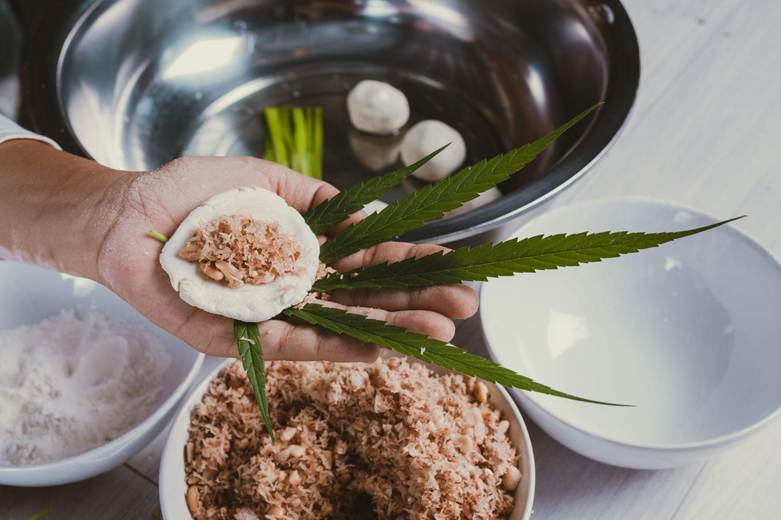
Cannabis products do not all follow the same timeline after consumption. Daniel Fung of Watertown, CT, provides a useful context for understanding why edibles and inhaled products should not be approached as though their effects begin, develop, and fade at identical rates.
For consumers, this distinction matters because expectations can influence decisions. Someone accustomed to the relatively rapid onset associated with inhalation may incorrectly apply the same expectations to an edible. Understanding that different consumption methods involve different timelines can support more informed and responsible choices.
Consumption Method Changes How Cannabis Enters the Body
One of the most significant differences between inhaled cannabis and edibles is how cannabinoids enter the body.
With inhalation, cannabinoids are absorbed through the lungs and enter the bloodstream relatively quickly. As a result, effects can generally become noticeable sooner.
Edibles follow another path.
After an edible is consumed, it must pass through the digestive system. THC is then processed through the liver before its effects are fully experienced. This additional process contributes to the delayed onset commonly associated with edible cannabis.
This difference is important because the product may still have an effect, even if nothing is immediately noticeable.
Faster Feedback Can Shape Expectations
People naturally learn from previous experiences.
Someone familiar with inhaled cannabis may become accustomed to receiving relatively quick feedback about how a particular amount affects them. That feedback can influence decisions about whether to consume more.
Edibles do not necessarily provide that same immediate information.
When someone carries expectations from inhaled cannabis into an edible experience, the delay can create uncertainty. A person might begin wondering whether the amount was insufficient before the initial serving has had adequate time to take effect.
Understanding the expected delay beforehand can help prevent that assumption.
Delayed Effects Can Encourage Impatience
The gap between consumption and noticeable effects is one of the most important reasons timing matters with edibles.
A consumer takes an edible and waits. When little appears to happen initially, taking more may seem like a reasonable response.
The difficulty is that the first amount may still be developing.
Additional consumption during that waiting period can mean that multiple servings eventually take effect within an overlapping period. The resulting experience may then be considerably different from what the consumer originally intended.
This is why immediate sensation is not always a reliable guide for making another consumption decision.
Onset Is Only Part of the Difference
Discussions about edibles frequently focus on delayed onset, but duration deserves attention as well.
The effects associated with orally consumed cannabis can generally last longer than those associated with inhalation. That means consumers should consider more than how quickly they expect to notice something.
They should also think about the amount of time the experience may continue.
This distinction can matter when planning transportation, work, social activities, or other responsibilities.
An experience that begins later and lasts longer requires a different approach to timing than one with a faster onset and shorter duration.
Familiarity With Cannabis Does Not Eliminate the Difference
Someone with substantial experience using inhaled cannabis may assume that familiarity translates directly to edibles.
It does not necessarily work that way.
Experience can help someone understand personal responses to cannabis generally, but changing the consumption method introduces different variables.
The amount of THC involved, delayed onset, digestion, and duration can make the edible experience distinct from inhalation.
For that reason, familiarity with one product format should not create automatic confidence about another.
The consumption method itself is meaningful information.
Individual Experiences Can Still Vary
General timing differences do not mean every person will experience an edible according to an identical schedule.
Individual responses can vary.
Factors related to the person, product, amount consumed, and circumstances may influence when effects are perceived and how long they last.
That variability is another reason rigid assumptions can be unhelpful.
A person should not assume that because an edible affected a friend within a particular period, the same timeline will apply universally. Likewise, one previous personal experience does not guarantee that every future experience will unfold in the same way.
General guidance provides context, not a stopwatch.
Product Labels Need to Be Read in Context
Edible cannabis products may provide cannabinoid information by serving or package.
Understanding that information is important, but the numbers should be considered alongside the product format.
A consumer accustomed to evaluating inhaled cannabis primarily through potency may need to think differently about an edible.
Useful considerations can include:
- The amount identified as a serving.
- The cannabinoid content associated with that serving.
- How much has actually been consumed.
- The expected delayed onset of an edible.
- The possibility of longer-lasting effects.
- Whether additional consumption is being considered before the initial amount has fully taken effect.
Looking at these factors together provides more context than focusing on one number.
Planning Ahead Matters More With a Longer Timeline
Timing also has practical implications.
If an experience may develop gradually and continue for an extended period, consumers should consider what they need to do later.
Driving and other activities requiring unimpaired attention should not be combined with cannabis impairment. Someone should also consider whether responsibilities later in the day could conflict with the expected duration of effects.
This makes planning part of responsible decision-making.
The question is not merely whether someone intends to consume cannabis. It is whether the timing fits safely with everything else that person expects to do.
Avoid Using Another Person’s Experience as a Schedule
People frequently share personal experiences with particular products.
Those conversations may be informative, but they should not be interpreted as precise instructions about timing.
One person might report noticing effects sooner than another. Someone else may describe a longer experience.
Individual variability means neither person’s timeline necessarily predicts what a third consumer will experience.
The more useful lesson is that edibles require patience because their timeline differs from inhalation and can vary among individuals.
Different Products Require Different Expectations
Consumers often develop habits around familiar products.
Problems can occur when those habits are automatically transferred to a different format.
An inhaled product and an edible may both contain THC, but that similarity does not make their timelines interchangeable. The route of consumption changes how the body processes the cannabinoids and therefore changes what consumers should expect.
Recognizing that distinction encourages people to approach each product format according to its characteristics rather than relying entirely on previous experience.
Final Thoughts
The difference between cannabis edibles and inhaled products involves more than format or preference. Timing is a fundamental distinction.
Inhaled cannabis generally provides faster feedback, while edibles can require more time before their effects become noticeable and may produce effects lasting longer. That delayed timeline can create problems when consumers assume that a lack of immediate sensation means an edible has not worked.
Understanding onset, duration, serving information, individual variability, and personal responsibilities can support more informed decisions.
Cannabis experience with one consumption method does not automatically translate into knowledge of another. When edibles are involved, patience and awareness of timing are especially important because what has already been consumed may still be developing long after the initial decision was made.