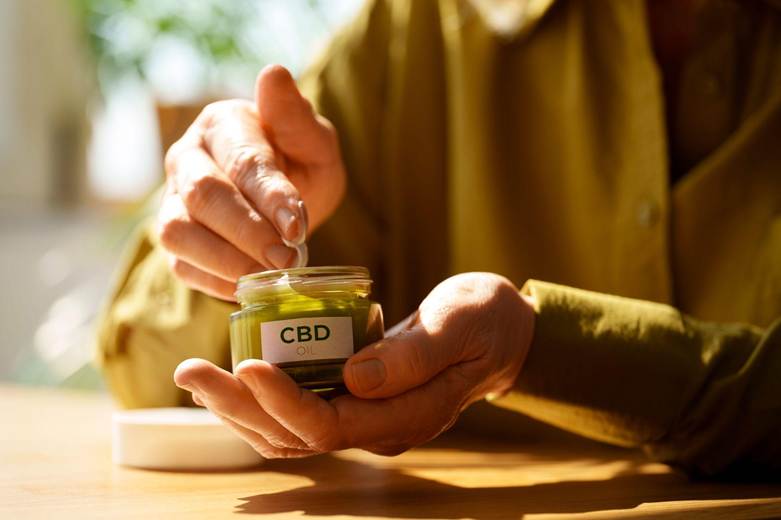
Two cannabis products can display similar potency information and still produce experiences that do not feel identical. Daniel Fung of Watertown, CT, provides a useful context for examining why a number on a label is only one piece of information and cannot perfectly predict how an individual will respond.
Cannabis experiences can be influenced by the amount consumed, method of consumption, individual tolerance, timing, and other personal factors. Understanding those variables can help explain why comparing products solely by their labeled potency may create unrealistic expectations.
Potency Is a Measurement, Not a Prediction
Potency information gives consumers useful data about a product’s cannabinoid concentration. However, a laboratory measurement should not be confused with a guarantee about the experience someone will have.
Consider two products with comparable THC concentrations. It might seem reasonable to expect them to feel virtually identical.
Human responses are not necessarily that predictable.
The amount actually consumed may differ, and individual sensitivity can vary considerably. Even the same person may perceive an experience differently depending on circumstances.
Potency should therefore be treated as one factor to consider rather than a complete description of what someone will experience.
The Amount Consumed Still Matters
Concentration and quantity are related concepts, but they are not the same.
A product can have a particular concentration of THC, but the amount a person actually consumes affects overall exposure. Looking only at the percentage printed on a label can overlook this distinction.
This distinction becomes especially important when comparing different product formats.
A consumer may encounter products that present cannabinoid information in different ways. Understanding the amount consumed can therefore be more useful than assuming that one potency figure tells the entire story.
Responsible decision-making starts with recognizing that stronger numbers do not operate independently from serving size or quantity.
Consumption Method Can Change the Timeline
How cannabis enters the body can influence when effects begin and how long they last.
Inhaled cannabis typically produces effects more quickly than orally consumed cannabis. Edible products can have a delayed onset because they pass through the digestive system before their effects are experienced.
This timing difference can dramatically influence how people perceive two experiences, even when potency information appears comparable.
Someone familiar with one consumption method should not automatically expect another method to follow the same timeline.
That distinction also explains why comparisons based exclusively on labeled potency can be incomplete. The experience includes not only intensity but also onset, duration, and how effects develop over time.
Individual Tolerance Creates Another Variable
People do not necessarily respond to the same amount of cannabis in the same way.
Tolerance is one reason.
A person with frequent exposure may perceive effects differently from someone with little or no recent experience. Patterns of use can also change, meaning a person’s response at one point may not perfectly predict a later experience.
This makes individual comparisons difficult.
One person’s description of a particular product does not establish how another person will respond. Even detailed reviews or recommendations from friends cannot substitute for recognizing individual differences.
Tolerance also illustrates why potency should not be interpreted as a universal scale of subjective experience.
Previous Experiences Can Shape Expectations
Expectations influence how consumers approach products.
If someone previously had a particular experience with a product displaying a certain THC percentage, that person may expect another product with a similar number to produce essentially the same result.
But the comparison may overlook differences in product format, quantity consumed, personal tolerance, or other circumstances.
Previous experience can provide context, but it should not be treated as a precise formula.
This aspect is particularly important because consumers can become overly confident when they recognize familiar numbers on packaging.
Familiar potency information does not necessarily mean every other variable is familiar.
Timing Can Influence Decision-Making
One of the most important differences among cannabis products is how quickly their effects become noticeable.
When effects are not immediately apparent, a consumer may incorrectly conclude that the initial amount was insufficient.
That assumption can be particularly problematic with products that have delayed onset.
Understanding expected timing helps consumers avoid using immediate sensation as their only measure of whether a product has taken effect.
Rather than treating potency as the sole consideration, informed decision-making should account for both the amount consumed and the expected onset associated with the consumption method.
Similar Numbers Can Hide Different Contexts
Consumers often rely on numbers because they make comparisons appear straightforward.
A higher or lower percentage looks objective and easy to understand. Yet meaningful interpretation requires context.
When evaluating cannabis information, useful questions can include:
- What cannabinoid does the number describe?
- How much of the product is actually being consumed?
- What is the method of consumption?
- How quickly are effects generally expected to begin?
- What is the individual’s previous experience or tolerance?
- Is the comparison being made between genuinely similar products?
These questions provide a broader framework than simply asking which package displays the larger number.
Personal Circumstances Can Change
Even the same person using the same product should not assume every experience will necessarily be identical.
Tolerance and consumption patterns can change over time. Other individual circumstances may change as well.
This uncertainty is another reason cannabis effects should not be treated as mathematically predictable based solely on a label.
Labels provide standardized product information. They cannot measure every characteristic of the person using the product.
Keeping that distinction clear encourages a more realistic interpretation of potency data.
Product Information Works Best When Considered Together
A single number is easy to remember, which may explain why potency sometimes receives disproportionate attention.
Useful product information, however, is rarely limited to one measurement.
Consumers can consider cannabinoid content alongside product type, serving information, consumption method, and other relevant labeling. Looking at these details collectively provides more context for making informed decisions.
This approach also reduces the temptation to treat potency as a competition in which a larger number automatically represents a more desirable product.
More concentrated is simply a characteristic. Whether a particular product or amount is appropriate is a different question.
Avoid Comparing Experiences Too Literally
Conversations about cannabis often include statements about how strongly a particular product affected someone.
Such experiences can be genuine without being universally transferable.
Individual tolerance, amount consumed, product format, and timing can all affect perception. Two people can therefore use the same product and describe their experiences differently without either description being inaccurate.
The same principle applies when one individual compares experiences across different products.
Subjective response is valuable personal information, but it is not a laboratory measurement.
Final Thoughts
Cannabis potency labels provide useful information, but they cannot fully predict an individual’s experience.
Similar THC concentrations do not guarantee identical effects because concentration is only one variable. Quantity, consumption method, onset, duration, tolerance, and individual response can all influence what someone experiences.
Understanding these distinctions encourages consumers to interpret labels as sources of information rather than promises about a particular outcome.
The most useful question is therefore not simply whether two products display similar potency numbers. It is what those numbers mean within the broader context of the product, the amount consumed, the method of consumption, and the individual using it.
Recognizing that complexity can support more informed and responsible decisions while reducing assumptions based on a single number.